

New Delhi: The handloom industry in Himachal Pradesh is gearing up for a strategic shift towards branding, Geographical Indication (GI) tags and direct market access after the conclusion of the HIM MSME Fest 2026, officials and artisans said. The move aims to transform the state’s traditional weaving clusters from largely exhibition-centric showcases to premium, market-oriented brands.
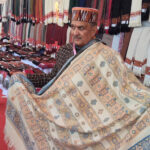
Held at Ridge Maidan, Shimla, the three-day festival brought together weavers from Kullu, Kinnaur, Mandi, Kangra and other districts, providing them the rare opportunity to engage directly with buyers, designers, fashion houses and exporters — eliminating layers of intermediaries that have historically dampened earnings for artisans.
Himachal’s rich textile heritage, best known for Kullu shawls, Kinnauri shawls, Kangra woollens and Mandi wool products, supports tens of thousands of livelihoods, especially in remote mountain villages where weaving remains a key source of income, particularly for women. Yet the sector has long struggled with weak branding, limited market linkages and dependency on middlemen.
At the fest, stakeholders underscored the importance of GI tags — which legally protect products linked to a specific geographical origin — to preserve authenticity and ensure premium valuations for traditional designs. Experts say GI certification can help counter imitation products that undercut genuine handloom goods and build stronger consumer trust nationally and globally.
Officials also highlighted the need to strengthen women-led self-help groups for better access to credit, training, collective marketing and digital tools. Technology, including e-commerce platforms and digital storytelling, was pitched as a key enabler to reach wider markets without abandoning village-based weaving practices.
Industry representatives expressed optimism that focused efforts on branding and GI protections, coupled with sustained government support in design enhancement, packaging, and market linkages, could reposition Himachal as a slow-fashion hub and handloom tourism destination, unlocking long-term growth for artisans.