

New Delhi: Your weekly grocery run might soon lose its chemical aftertaste. In a move that could disrupt the global thermal paper industry, a wave of new technologies is hitting the retail floor, aiming to replace the ubiquitous, toxin-laden grocery receipt with “green” alternatives.
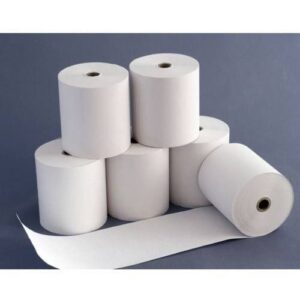
From Vitamin C-based thermal coatings to NFC-enabled (Near Field Communication) digital logs, the “paper-trail” of modern retail is undergoing a high-tech overhaul. The catalyst? A growing body of scientific evidence suggesting that the thermal paper used in most Point-of-Sale (POS) systems is coated with Bisphenol A (BPA) and Bisphenol S (BPS)—endocrine disruptors linked to a host of hormonal and reproductive health issues.
For decades, retailers have relied on thermal printing for its speed and low cost. The paper is coated with a developer—often BPA—which reacts with heat to create text. However, studies indicate these chemicals are “unbound,” meaning they rub off easily onto hands and can be absorbed through the skin within seconds.
The disruption is coming from two distinct fronts:
The Bio-Alternative: New “phenol-free” papers are entering the market. One of the most talked-about innovations uses ascorbic acid (Vitamin C) as a developer. These receipts often have a distinct yellowish tint, serving as a “green” badge of honor for premium organic and health-conscious retail chains.
The NFC Leap: Taking the “paperless” trend a step further, tech startups are piloting systems where a smartphone tap at the terminal doesn’t just pay the bill but instantly transmits a cryptographically secure receipt via NFC. Unlike email receipts, which require sharing personal data, this method is instantaneous and anonymous.
For the $1.2 billion thermal paper market, the stakes are high. Traditional manufacturers are being forced to pivot as regulatory pressure in the EU and North America tightens around bisphenols.
In India, where organized retail is expanding into Tier-II and Tier-III cities, the adoption of “e-receipts” via SMS or WhatsApp has already seen a surge. However, the “physical receipt” remains a legal and psychological necessity for many.
As consumers become more vigilant about “invisible” toxins, the grocery receipt is evolving from a mundane scrap of paper into a high-tech battleground for materials science. For the retail industry, the message is clear: the future of the checkout is either digital, or it’s going to be a lot more ‘vitamized.’